Growing Up with Nature_ The Simple Joys That Shape Lifelong Thinking
Growing Up with Nature: The Simple Joys That Shape Lifelong Thinking
Growing Up with Nature: The Simple Joys That Shape Lifelong Thinking
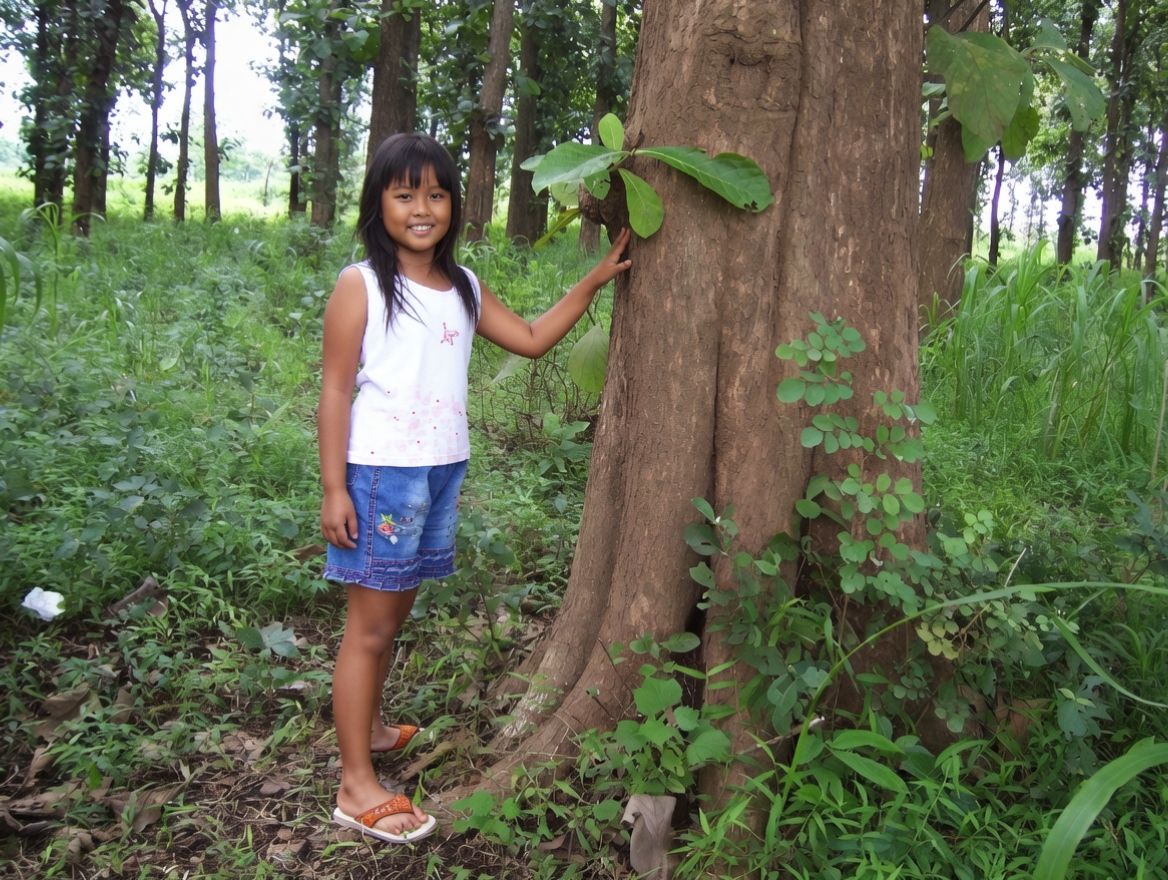
In a world increasingly dominated by screens and fast-paced routines, moments spent in nature have become more valuable than ever—especially for children. The image of a young girl standing beside a sturdy tree, surrounded by lush greenery, is more than just a peaceful scene. It represents a timeless connection between curiosity, learning, and the natural world. These quiet encounters often lay the foundation for deeper thinking, creativity, and emotional balance.
Children naturally explore their surroundings with wonder. A tree is not just a tree—it can be a hiding place, a storytelling companion, or even a landmark in an imaginary world. These early interactions stimulate imagination in ways that structured environments often cannot. When a child touches the bark, observes leaves, or listens to the sounds of nature, they are engaging in a form of learning that is both instinctive and powerful.
This kind of exploration also nurtures patience and focus. Unlike digital entertainment, nature does not rush. It invites observation, reflection, and subtle discovery. These qualities are essential not only in personal development but also in strategic thinking. Interestingly, these same traits are deeply connected to games like chess, where patience, foresight, and careful observation are key to success.
At GiantChess, we often emphasize that chess is more than a game—it’s a lifestyle that encourages thoughtful engagement. Just as children learn from nature through experience, they also learn from chess through play. Large outdoor chess sets, in particular, create a bridge between these two worlds. Imagine a child moving oversized chess pieces in a garden or park, combining physical activity with mental strategy. It transforms learning into something tangible and memorable.
Outdoor environments provide the perfect backdrop for such experiences. The openness of a garden or forest setting removes pressure and encourages experimentation. Children feel freer to make decisions, take risks, and learn from outcomes—whether they are climbing around trees or planning their next chess move. This blend of physical and cognitive play is crucial for well-rounded development.
Moreover, these moments create lasting memories. A simple afternoon spent outdoors can become a defining childhood experience—one that shapes how a person approaches challenges, thinks creatively, and connects with the world. In contrast to passive consumption, active engagement with both nature and games like chess builds confidence and independence.
Parents and educators are increasingly recognizing the importance of balancing digital exposure with real-world interaction. Integrating outdoor play with intellectually stimulating activities like chess offers a powerful solution. It not only supports academic growth but also enhances emotional intelligence and social skills.
Ultimately, the scene of a child standing beside a tree is a quiet reminder of what truly matters. Growth, both personal and intellectual, often begins in the simplest places. By encouraging children to explore nature and engage in thoughtful play, we give them the tools to think deeper, act wiser, and grow stronger—one small step at a time.